Wow!
Phantom is the browser wallet I keep coming back to. It feels fast and clean in ways others don’t. Initially I thought browser wallets were all the same, but with Phantom I noticed better UX patterns, fewer permission prompts, and quicker transaction signing which made me rethink convenience versus security trade-offs. I’m biased, sure, but this is based on regular use over months.
Seriously?
Yes, because Solana’s speed actually matters when gas and lags are unpredictable. I tested transfers during peak times and noticed consistent performance improvements. On one hand, that speed reduces waiting and improves UX, though actually it also exposes developers to riskier optimistic UX assumptions that can hide confirmation details unless the wallet insists on clarity. My instinct said “somethin’ ain’t right” the first time I granted too-broad permissions.
Hmm…
Security practices are where wallets earn their stripes, and Phantom has sensible defaults. It isolates sites, asks for signatures, and keeps private keys encrypted locally. Though no software is bulletproof, Phantom’s open-source nature plus community scrutiny reduces attack surface, even if it doesn’t eliminate social engineering or browser-level risks. I’ll be honest, I still sometimes double-check transaction details because mistakes happen fast.
Here’s the thing.
The onboarding flow deserves praise for its clarity and compactness. Creating wallets, restoring from seed phrases, and connecting to dApps felt straightforward. Initially I thought seed phrase backup was tedious, but then I appreciated the guided prompts and extra warnings that actually helped prevent careless backups. That being said, what bugs me is the occasional popup timing that can confuse new users.
Whoa!
I found the token management UI simple enough for everyday use. It shows balances, collectibles, and even delegations in one place. However, integration with some lesser-known Solana programs was flaky at first, and I had to toggle RPC endpoints to see certain tokens—probably an RPC-side issue more than the wallet itself, yet still annoying. Something felt off about how some apps request wide-ranging permissions.
Really?
Yup, check this out—Phantom warns on permissions, but developers can still request lots. So, I always read requests carefully and avoid clicking allow reflexively. On one hand you want seamless dApp experiences, though actually privacy-preserving defaults matter more than convenience in the long run. I’m not 100% sure which third-party integrations are audited, and the docs could be clearer.
Check this out—
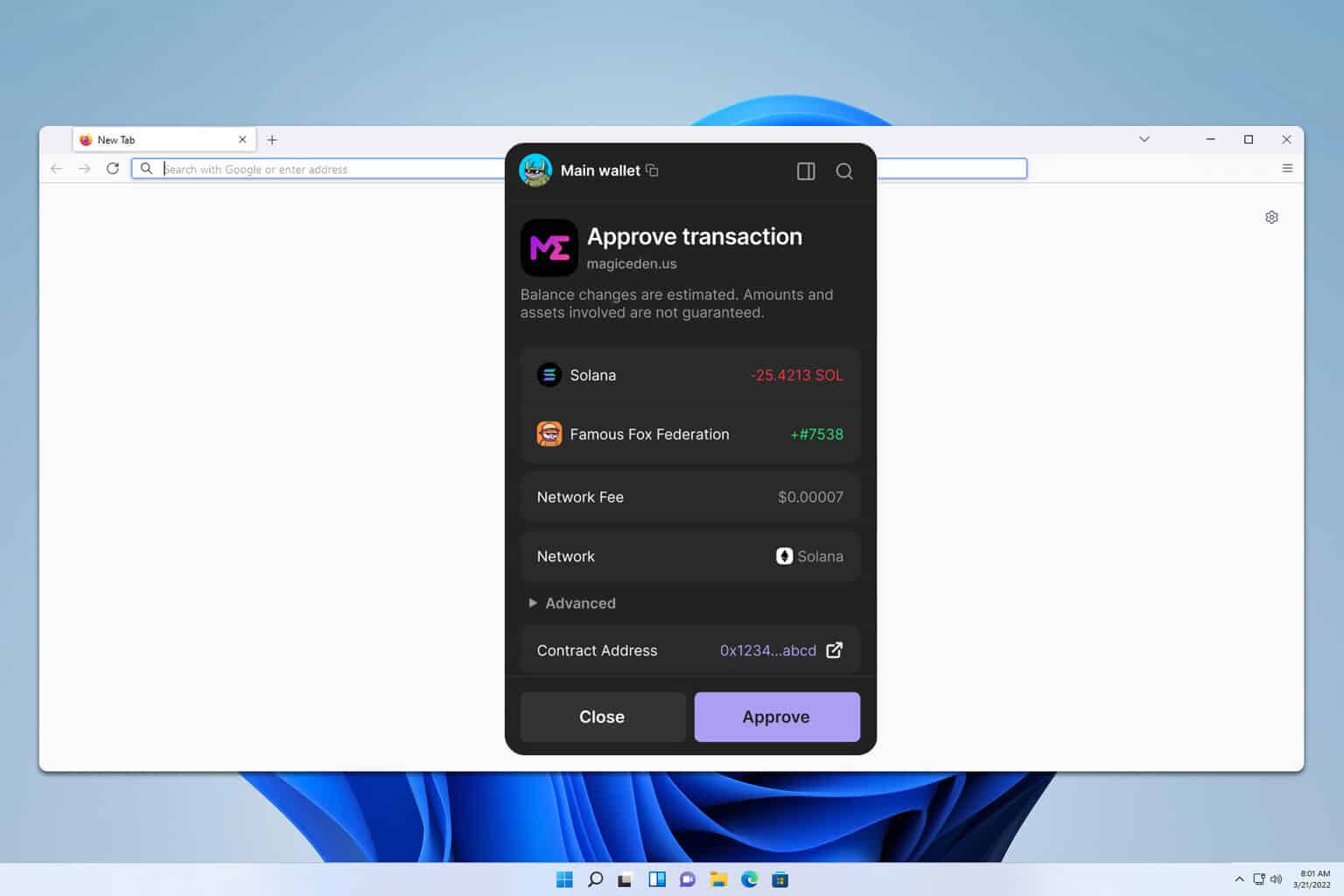
Getting started with phantom
The install process is straightforward and the extension integrates with Chrome and other Chromium forks. I used phantom from the official site to add it quickly to my browser. There’s a small learning curve when connecting to novel dApps. But once you get used to the prompts, interacting feels natural and immediate, and I’ve personally moved funds, staked tokens, and signed marketplace orders within minutes with minimal friction.
Okay, so check this out—
Performance is great for day-to-day tasks, though heavy dApp usage can surface RPC rate limits. I switched endpoints a couple times to test resilience. Initially I thought endpoint switching was a developer-only trick, but then realized users benefit from knowing how to change networks when trouble hits. The UI exposes that capability but could surface it better for novices.
I’ll be honest—
The NFT preview feature has some rough edges that could use polishing. Sometimes artworks don’t render and the metadata lags behind the blockchain state. On one hand content rendering depends on CDNs, though actually the wallet could cache thumbnails or warn users more clearly when metadata is missing. This part bugs me, because collectibles are a big use case.
Hmm…
For developers, Phantom provides solid APIs and a clear extension messaging pattern. I built a small test dApp and found the integration intuitive. However, when I stress-tested signing flows, edge cases popped up that required careful error handling and retries in client code. So if you’re a dev, plan for retries and user guidance.
FAQ
Is Phantom safe for everyday use?
Mostly yes; Phantom stores keys locally and uses encryption, and because it’s open-source the community audits many changes, though browser-level threats and phishing remain real risks that require user vigilance and good habits.
Can I use Phantom with multiple browsers?
Yes—you can install the extension in Chrome, Edge, Brave, and other Chromium-based browsers, and the wallet sync process (via seed phrase or secure recovery) is straightforward, but be careful when copying seed phrases across devices and avoid cloud-synced text files.
What about DeFi and dApp compatibility?
Phantom covers most mainstream Solana dApps and defi flows, but some niche programs may require specific RPC endpoints or updated program support; if something doesn’t show up, try switching RPCs or checking the dApp’s docs, and expect occasional hiccups as the ecosystem evolves.
Closing thoughts—I’m optimistic but wary. Phantom makes Solana approachable and fast, and that everyday polish matters a lot when you’re trading, staking, or browsing NFTs. My instinct said the UX would win me over, and mostly it did, though there are small rough spots that still irritate me, and I’m not shy about saying so. If you’re trying Solana wallets for the first time, start small, backup your seed phrase offline, and keep an eye on permissions—it’s a great tool, just treat it like any real wallet: careful, attentive, and a bit skeptical.