Best Sober Vacation Ideas and Destinations Alcohol-free

Planning also involves thinking about who you are going to go on your first sober holiday with. The holidays can be an incredibly stressful time for anyone, especially those struggling with a substance use disorder or mental health condition. While the New Year is a popular time to make a change for the better, waiting to get the help you need is never the best option. To get started on your recovery journey, contact a treatment provider to learn more about your options.

How Being the Designated Driver Reduces Drinking Pressure

  • Remember, each piece of additional treatment and support only strengthens your stand against relapse.
  • This approach not only keeps you engaged but also provides lasting memories and deeper insights into the places you visit.
  • Engaging in acts of service during the holidays can enhance the feelings of purpose and gratitude.
  • Your physical state directly influences emotional stability and cravings.
  • By communicating your needs and asking for space, you can help your family create a festive holiday environment that is also healthy and supportive for your recovery.

But it can also be a very stressful time, particularly for people in recovery from drug or alcohol addiction. Getting through the holidays drug addiction treatment sober can be a challenge, particularly for people in early addiction recovery. Here are some tips and resources for preventing or responding to addiction relapse during the holiday season.

Set Boundaries Before Each Event

This sober friend support transforms potentially isolating experiences into shared victories. Instead of trying to support yourself without outside help, Aguayo suggests attending holiday gatherings with a sober friend, sponsor, or supportive family member. For many, maintaining sobriety during the holidays might make celebrating a dreaded experience. Xavier Aguayo, Clinical Therapist at Loma Linda University Behavioral Health, explains that for many people, sobriety means stepping into a completely new way of living.

  • Choose guided meditations specifically designed for addiction recovery or stress management.
  • Even in the merriest of times, stress, triggers, and loneliness can deter your focus on recovery.
  • Most importantly, avoid accusatory or judgemental language.

Explore Online Recovery Resources

sober holidays

Holiday gatherings can feel overwhelming when you’re committed to sobriety. Staying sober during the holidays isn’t easy, but you don’t have to do it alone. Whether you’re navigating early recovery, trying to avoid relapse, https://iassure.afdibsummit.com/alcohol-and-narcissistic-personality-disorder-2/ or simply managing high-pressure situations, having real support makes all the difference.

A detailed plan for holiday gatherings is your best defense. Whether you’re taking your first step toward sobriety or strengthening the progress you’ve already made, you don’t have to navigate it alone. The holiday sober holidays season can amplify early warning signs of relapse. Understanding these signals helps you intervene before they escalate. Consider creating traditions that reinforce connection, well-being, or creativity.

  • During the holiday season, it’s important to stay in touch with the people who support your recovery.
  • If they must host larger events and serve alcohol, ask if you could skip the gathering.
  • The longer you stay at alcohol-centered gatherings, the more your resolve may weaken.
  • The key is setting emotional boundaries to protect your sobriety and mental well-being.
  • At Casco Bay Recovery Maine, we understand the unique pressures you face during the holiday season.
  • Morocco is another Muslim country with a rich history and an even more prosperous heritage that you can explore.

Use Writing as a Tool for Processing Challenges
sober holidays

By engaging in these alcohol-free Christmas activities, you can create joyful, memorable experiences without relying on drinking. By creating a robust support network for your sober holiday, you’re setting yourself up for a fulfilling and enjoyable experience. Remember, maintaining sobriety is a continuous process, and having strong support – both from home and at your destination – is key to navigating the challenges and joys of sober travel. Remember, planning for a sober holiday isn’t about limiting your enjoyment. It’s about creating an environment where you can fully engage with your experiences, form genuine connections, and create lasting memories without the need for alcohol.

Step 4: Handle Social Pressure at Holiday Parties

sober holidays

Building new traditions can create joyful, substance-free memories that reinforce your recovery. Relapse doesn’t happen overnight—it’s often a gradual process that starts with emotional relapse, progresses to mental relapse, and culminates in physical relapse. Understanding these stages can help you take corrective action early. If someone pushes your boundaries, don’t feel bad about stepping away or leaving the situation altogether. And for some, the presence of alcohol in the home feels impossible to avoid. Holidays often revolve around family traditions, which can be problematic if these traditions involve alcohol or substance use.

Attending recovery meetings before, during, or after holiday events keeps you grounded and connected to your purpose. Many 12-step programs schedule special meetings on major holidays, recognizing that these are high-risk times for relapse. You can find meetings on Christmas Day, New Year’s Eve, and Thanksgiving—times when isolation and temptation peak.

What Is the Trigger of Addiction?

In order to ensure a happy and long-lasting recovery, addicts must identify both external and internal triggers. Discover a few of the more common triggers to help jump-start the process. In many cases, when you feel “normal” again, you might be overly confident that you can handle being in situations that serve as external triggers. That confidence is one of the most difficult internal triggers to manage.

Conflict of Interest

  • Similarly, if certain social settings or relationships contribute to triggers, it may be necessary to limit contact with those individuals or establish clear boundaries.
  • External relapse triggers come from the “outside,” meaning people, places and situations.
  • To learn more about our outpatient programs, contact our admissions department today.
  • The negative side effects of relapsing after enrolling in drug and alcohol recovery programs is another concern.
  • These neural pathways don’t disappear just because you’ve stopped misusing them.
  • One of the most notable of these frameworks is the “4 C’s” — challenge, curiosity, control, and context.

If you or a loved one is struggling with drug or alcohol addiction, Anabranch Recovery Center in Terre Haute, Indiana, offers the help you need. Our dedicated team of experts delivers the professional guidance and support essential for achieving sobriety. Take the first step toward reclaiming your life by reaching out to us today. However, there is no doubt that addictive disorders have a strong subjective component that is not fully fitted with the present models. Of special interest is internal and external triggers the role of the so called “Big Five” personality traits in the risk for drug addiction (Andreassen et al., 2013). Because many people begin using drugs to manage pressure, they might not know how to handle stress triggers if they haven’t developed other coping mechanisms.

Performance Anxiety and Creative Blocks

Bites from mosquitoes, fleas, or mites (like chiggers) often produce papules or small, raised bumps that appear in clusters or lines. These insects inject substances that trigger a localized hypersensitivity reaction, leading to inflammation. The person can hear the other’s perspective without feeling attacked or worthless. Ryan and Deci describe the last case as extrinsic motivation in the form of external regulation, introjected regulation, identified regulation, or integrated regulation (2000). The last of the initial experiments to show extrinsic and intrinsic motivation’s opposition was conducted by Lepper et al. (1973). Subsequently, people may be less likely to engage in similar tasks when they do not expect tangible or social extrinsic rewards (Sansone and Harackiewicz, 2000).

internal and external triggers

Why am I being selected for an audit?

  • This is the most common form of therapy that can be implemented when an individual is undergoing rehabilitation, and it has many different forms that can be applied in different cases and situations.
  • Early detection is important for preserving the tooth structure and function.
  • Connection reduces isolation, counters catastrophic thinking, and provides co-regulation.
  • You’ll learn evidence-based coping strategies tailored to your situation—whether you’re dealing with anxiety disorders like GAD, social anxiety, panic disorder, or PTSD that complicate your recovery.
  • Managing internal triggers in recovery requires self-awareness, emotional regulation, and therapy, such as Cognitive Behavioral Therapy (CBT).
  • This would suggest that someone in recovery could be prone to relapse due to an elevated level of stress in life.

Then, you might begin to justify why and how you can use again in a more controlled way. We provide you with the resources and support you need for a successful recovery that helps you now and throughout your entire life. Writing down potential triggers can help you more easily avoid them. In October 2025, marijuana addiction Reshie Joseph of Living Free will speak at the National Counselling and Psychotherapy Conference in Singapore. His talk will describe why eliminating triggers is not the goal and how practical skills, combined with structured work across six key areas, help survivors thrive in the real world. Although the conference is a single event, these principles remain relevant far beyond it.

internal and external triggers

  • You can visit our rehab directory, where you can conveniently search by location, substance, and level of care, or contact a treatment provider to explore your rehab options.
  • One of the main lessons that rehabilitation aims to teach is the concept of self-help.
  • Triggers are people, places, things, experiences, feelings, or events that can cause a person to crave drugs or alcohol, leading to relapse.
  • Developing self-awareness and learning to recognize these triggers is a crucial step in the recovery process.
  • For many survivors, a trigger can feel like getting pulled back into the past, suddenly reliving a moment that was supposed to be over.

Having a plan to get through times when cravings are triggered can help avoid relapse. Internal triggers can include emotional states such as stress, anxiety, and boredom, as well as thought patterns https://chandrafashiondesigners.com/sober-living/how-to-get-rid-of-a-beer-belly/ such as negative self-talk and rumination. Triggers are a crucial aspect of addiction recovery, and understanding how they work is essential for maintaining sobriety.

How To Detox Your Body From Alcohol Cleanse Fast Naturally

Consuming green tea in moderation is important, as excessive caffeine intake may have negative side effects. However, it is important to avoid foods that are high in fat and sugar. Eating dishes with high levels of saturated fat will only add more stress how to flush alcohol out of your system to the digestive system, so it has to work harder to eliminate the remaining alcohol. Consuming foods rich in sugar can further throw off your blood sugar levels, making the effects of the hangover last longer. When you have food in your stomach, your body can process alcohol more efficiently as your ADH levels are higher. Food also keeps alcohol in the stomach for a longer duration, allowing some of it to be metabolized before it travels to the small intestine.

how to flush alcohol out of your system

Engage in Light Physical Activity

how to flush alcohol out of your system

Doctors usually prescribe antibiotics tailored based on symptom severity and sometimes urine culture results identifying specific pathogens. These remedies aren’t substitutes for antibiotics but can complement hydration and hygiene practices during mild cases or recovery phases. Avoid caffeine and alcohol as they irritate the bladder and can worsen symptoms.

Health News

Flushing what is alcoholism out a UTI centers on increasing fluid intake combined with frequent urination to physically remove harmful bacteria from your urinary tract. Drinking plenty of water dilutes your urine while frequent emptying prevents bacterial buildup inside your bladder. Promptly recognizing these signs means you can start flushing efforts early—drinking water immediately—and seek medical advice before infection worsens. Drinking 8 to 10 glasses of water daily helps dilute caffeine concentration in the bloodstream and promotes frequent urination, which accelerates caffeine clearance. It detoxifies the body every day without needing a cleanse, a tea or a reset.

Can exercise help eliminate alcohol faster?

For instance, foods high in vitamin C, such as oranges, strawberries, and bell peppers, can enhance liver health by reducing oxidative stress. Similarly, leafy greens like spinach and https://sabirsabri.com/understanding-the-link-between-alcoholism-and/ kale contain chlorophyll, which has been shown to assist in toxin removal and liver cleansing. Alcohol metabolism places a significant strain on the liver, depleting essential nutrients like B vitamins, vitamin C, and magnesium in the process. Replenishing these through diet isn’t just supportive—it’s critical for aiding the body’s natural detoxification pathways. For instance, B vitamins, particularly B6, B9 (folate), and B12, play a direct role in breaking down acetaldehyde, a toxic byproduct of alcohol metabolism. A deficiency in these vitamins can slow detoxification, prolonging the body’s recovery.

how to flush alcohol out of your system

  • Lack of sleep can hinder this process, making it harder for your body to eliminate alcohol.
  • The rest of the contents go through the liver, which starts the detoxifying process.
  • If you’ve consumed multiple drinks, it’s essential to calculate the total amount of alcohol in your system and allow the liver the necessary time to process it.
  • If you don’t take antibiotics, it’s impossible to say how long your UTI would last.
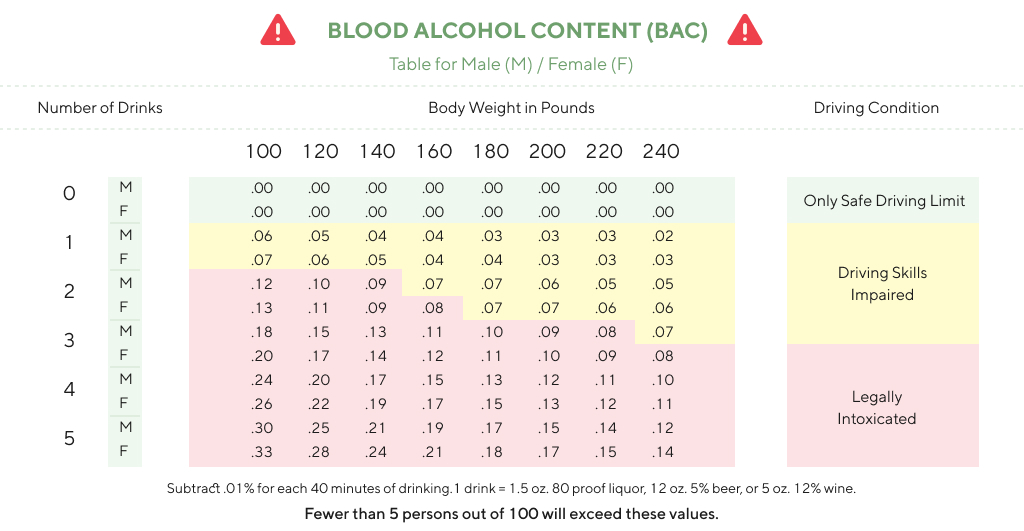
  • That means it can take three to seven hours for your body to metabolise and eliminate one to four drinks, depending on several factors.

At that rate, you can still be over the legal limit of 0.08 to drive the next morning if you’ve had several drinks or more. When you first start drinking, you will begin to experience mild signs of impairment. You’ll feel the relaxation and positive mood that makes alcohol consumption enjoyable but also some of the adverse side effects. You may also become less coordinated, and your speech may begin to slow down. Exercise may increase metabolism and sweating, but it doesn’t significantly speed up the elimination of alcohol, which primarily depends on liver processing.